Fire Alarm Systems
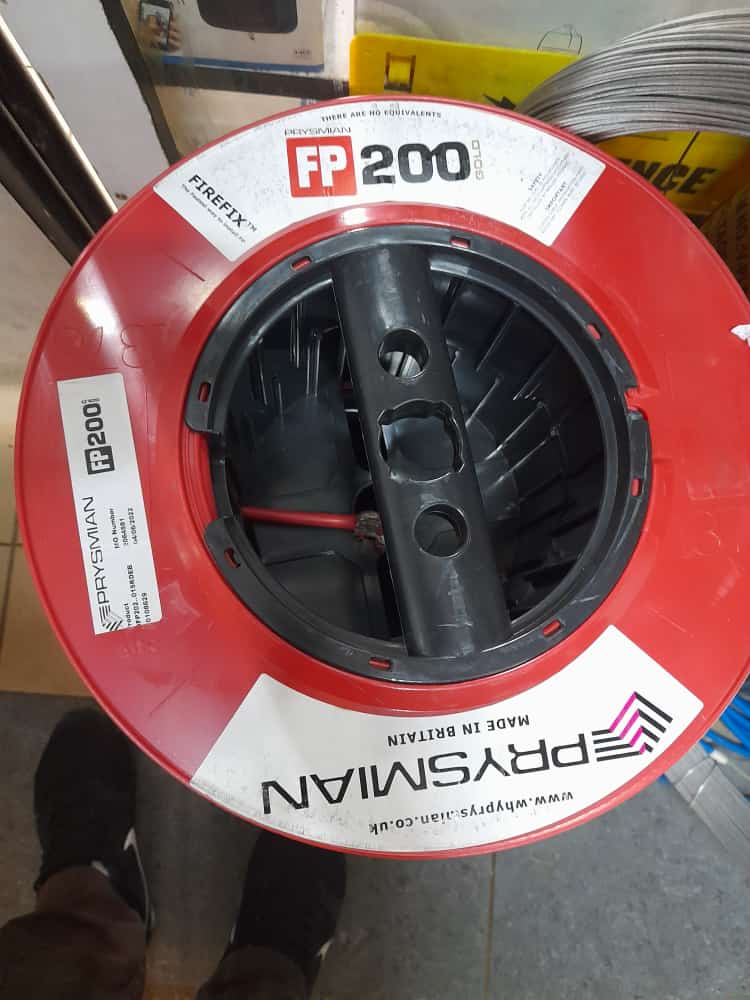
1.0mm fire alarm cable
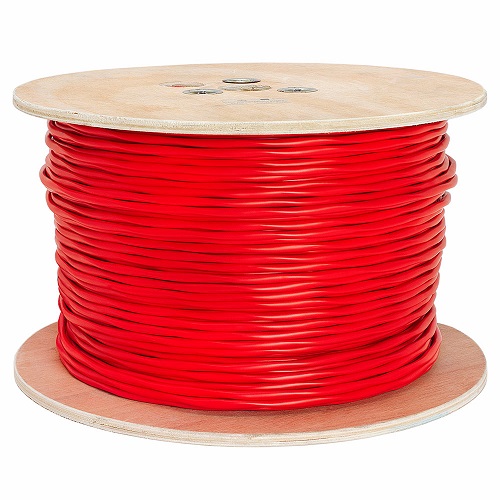
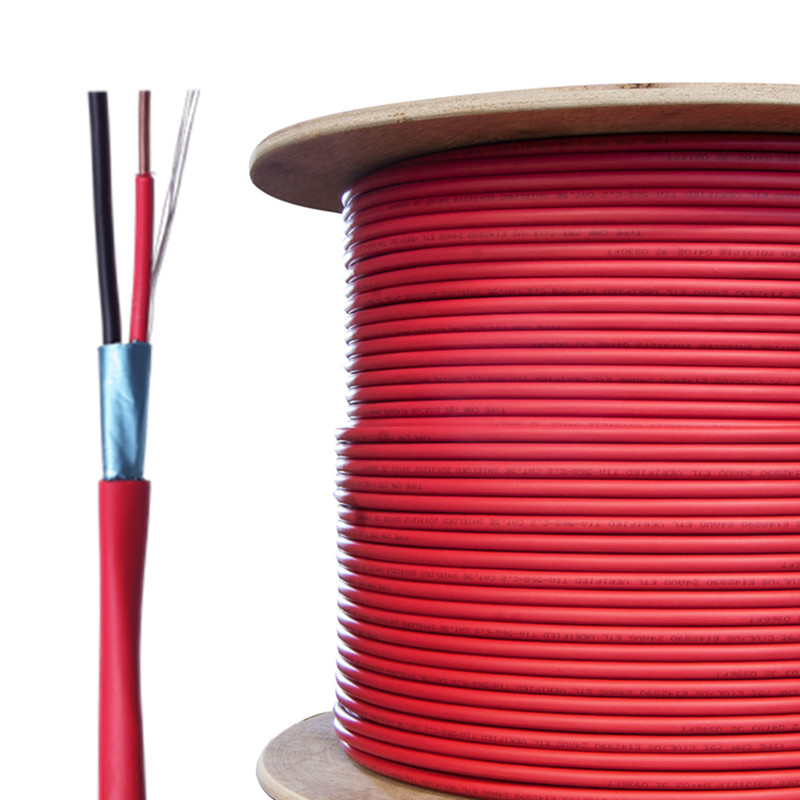
1.0mm 2-Core Fire Alarm Cable (Fire Resistant)
n
Ensure the integrity of your safety systems with our high-performance 1.0mm Fire Alarm Cable. Specifically designed for conventional and addressable fire alarm systems in Kenya, this cable is engineered to maintain circuit integrity even during extreme heat and fire conditions.
n
n
Available in 100M rolls or custom lengths. Get wholesale pricing and fast delivery across Nairobi from Affrosonic Systems Ltd
SKU: 1.0mm fire cable
Nationwide
Delivery
Cash / M-Pesa
on Delivery
1 Year
Warranty
Expert Support
Mon-Sat
1.0mm fire alarm cable is a fire-resistant cable with a 1.0 mm² cross-sectional area, commonly used in fire alarm systems. It is designed to maintain circuit integrity for a specified period during a fire, allowing the alarm system to function and transmit signals. These cables are typically constructed with a plain annealed copper conductor, insulation, a separator, a drain wire, shielding (often aluminum PET), and a jacket.
n
n
n
n
n
n
n
n
n
n
n
n
n
n
n
n
Here’s a more detailed breakdown:
n
n
n
n
n
1.0mm fire alarm cable Construction:
n
n
n
n
n
-
n
- Conductor: Usually made of plain annealed copper wire, with options for different classes (e.g., Class 1, 2, or 5) according to EN60228.
- Insulation: Provides electrical insulation between the conductor and other components.
- Separator: Often a PET foil, acting as a barrier.
- Drain Wire: A solid tinned copper wire, often 0.80mm, to help with grounding and shielding.
- Shield: Typically includes an Aluminum PET layer with 100% coverage and 20% overlapping for electromagnetic interference (EMI) protection.
- Jacket: The outer layer, providing protection and often made of fire-retardant materials.
nnnnn
n
n
n
n
n
n
n
n
n
n
n
n
n
Key Features and Standards:
n
n
n
n
n
-
n
-
n
nnnFire Resistance:
n
n
nDesigned to withstand fire conditions for a specified duration (e.g., PH30, PH60, PH120, according to BS EN 50200).
nnnnn
n
n
n
n
n
n
-
n
nnnLow Smoke and Halogen-Free:
n
n
nSome versions are made with low smoke, zero halogen (LSZH) materials, crucial for public safety.
nnnnn
n
n
n
n
n
n
-
n
nnnStandards:
n
n
nCommonly adhere to standards like BS 7629-1, BS EN 50200, BS5839-1, and BS5266.
nnnnn
n
n
n
n
n
n
-
n
nnnVoltage Rating:
n
n
nTypically rated for 300/500V.
nnnnn
n
n
n
n
n
n
-
n
nnnBend Radius:
n
n
nA minimum bend radius (e.g., 8 times the diameter) is specified to prevent damage during installation.
nnnnn
n
n
n
n
n
n
-
n
nnnApplications:
n
n
nUsed in fire detection and alarm systems, emergency lighting, and voice communication circuits.
nnnnn
n
n
n
n
n
n
n
n
n
n
n
n
n
n
n
n
n
Important Considerations:
n
n
n
n
n
-
n
-
n
nnnCircuit Integrity:
n
n
nThe cable’s ability to maintain signal transmission during a fire is crucial for the proper functioning of the alarm system.
nnnnn
n
n
n
n
n
n
-
n
nnnProper Installation:
n
n
nFollowing recommended installation practices and standards is essential for optimal performance.
nnnnn
n
n
n
n
n
n
-
n
nnnEnvironmental Considerations:
n
Depending on the application, factors like temperature, humidity, and exposure to chemicals should be considered when selecting the cable type.n
n
n
n
n
n
n
n
Related Products